Sep 21, 2025
The Complex History of the Site of BRC’s Inwood Shelter and Memorial Featured in the New York Times

BRC offers a caring and effective path from homelessness to home for thousands of New York’s most vulnerable. We provide our clients the opportunity to achieve and sustain their goals: overcoming addiction, managing mental illness, obtaining employment and finding a place to call home.
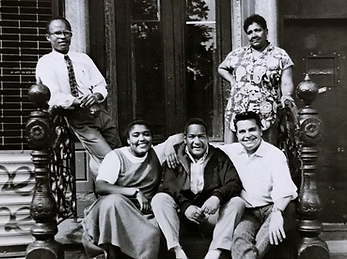
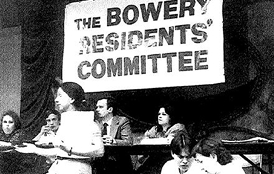
In 1971, a group of men who were addicted to drugs and alcohol, beset by physical and mental illness, were living on the Bowery – New York‘s “Skid Row” – when they began to take control of their lives and change them for the better. This small group of men created a self-help day program where sober men could escape despair and support one another. Initially called the “The Social Rehabilitation Club for Public Inebriates,” this mutual-aid would eventually grow into the The Bowery Residents‘ Committee (BRC) that we know today.
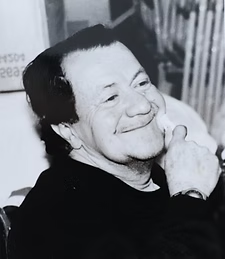
In 1976, BRC created its first residential program, the Sobering-Up Station, a place that offered professional support and community assistance. With this development, BRC began to build its reputation as a center of dignity and self-respect for New Yorkers in crisis.
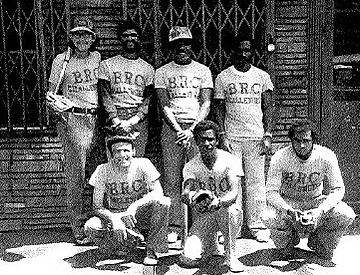
Providing a pathway from homelessness to home for more than 50 years
Founded
1971
BRC is founded by a group of down-and-out residents of the Bowery's infamous "flophouses." They form a self-help day-program called "The Social Rehabilitation Club for Public Inebriates," later named The Bowery Residents' Committee (BRC).
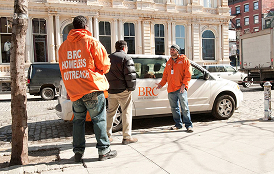
Homeless Outreach
1987
BRC receives its first grant from the National Institute of Mental Health (NIMH) to create New York City's first homeless outreach program for those with mental illness.
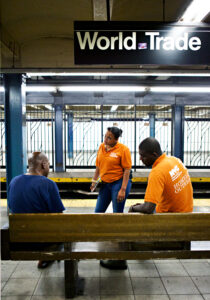
Outreach in Subways
2006
BRC is awarded the The Metropolitan Transit Authority (MTA)'s "Connections" contract, enabling BRC outreach workers to serve New Yorkers experiencing homelessness in subway stations and transit hubs.
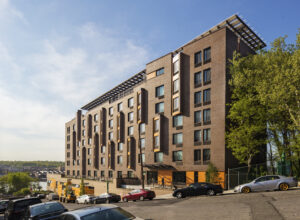
Landing Road
2018
BRC celebrates the opening of the Reaching New Heights Residence and The Apartments at Landing Road, which demonstrates the success of the HomeStretch model and its innovative approach to use shelter contracts to cross subsidize housing for people with low income.
COVID-19 Response
2020
BRC adds hundreds of staff members and hundreds more beds to provide life-saving services to New Yorkers throughout the ongoing economic and health crisis.

Beach Channel Drive
2024
Building on the success of Landing Road, BRC opens the Wanda Patterson Women’s Residence and The Robert C. Wood Apartments on Beach Channel Drive in Far Rockaway, Queens.
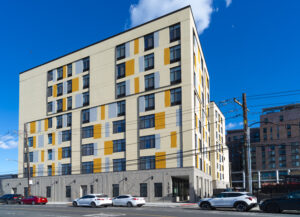
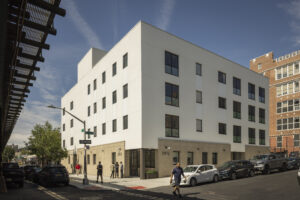
Inwood Women’s Residence and Memorial
2025
A 116-bed shelter for women opened in Upper Manhattan. A memorial space commemorating the Black People and Lenape Tribe members who were buried there will open in 2027.