Sep 21, 2025
The Complex History of the Site of BRC’s Inwood Shelter and Memorial Featured in the New York Times

Memorializing the Inwood African Burial Ground & Lenape Ceremonial Site
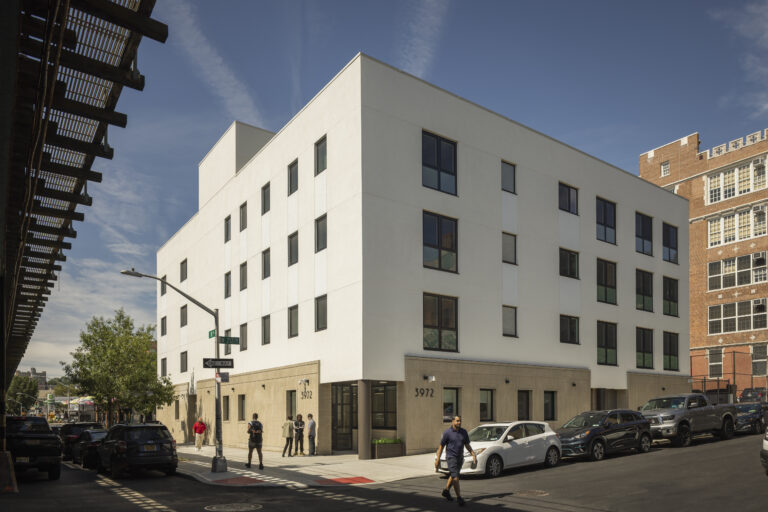
In 2020, BRC learned that a site we planned to develop into a high-quality residence for women experiencing homelessness in Inwood held a deeply significant and painful history. The land had once served as both an African burial ground for enslaved and free Africans and a Lenape ceremonial site.
By the early 1900s, as the neighborhood was developed, the burial ground had been destroyed. Those buried there were dishonored, displaced, and largely erased from public memory, with no recognition of the site or the people once laid to rest there in the surrounding community.
When we learned this history, we paused. We listened. And we reflected on what responsibility we had to the past, to descendant communities, and to the neighborhood itself. Rather than turn away, BRC committed to engaging directly with the communities most connected to the site. Over the following years, we held extensive conversations with descendant communities, historians, spiritual leaders, local residents, advocates, and our own staff and clients to determine how this space could both serve an urgent community need and honor the significance of the land. We have also hosted several spiritual ceremonies and commemorations at the space, in the African and Lenape traditions.
That process led to the creation of the Advisory Group for the Inwood Sacred Site (AGISS), a coalition of community leaders and stakeholders who helped shape the vision for the project and memorial. Recognizing the connection between our city’s history of racism and the inequities that persist today, AGISS recommended that BRC move forward with the residential program in a way that acknowledges and honors the site’s history while creating a dedicated space for remembrance, reflection, education, and community gathering.
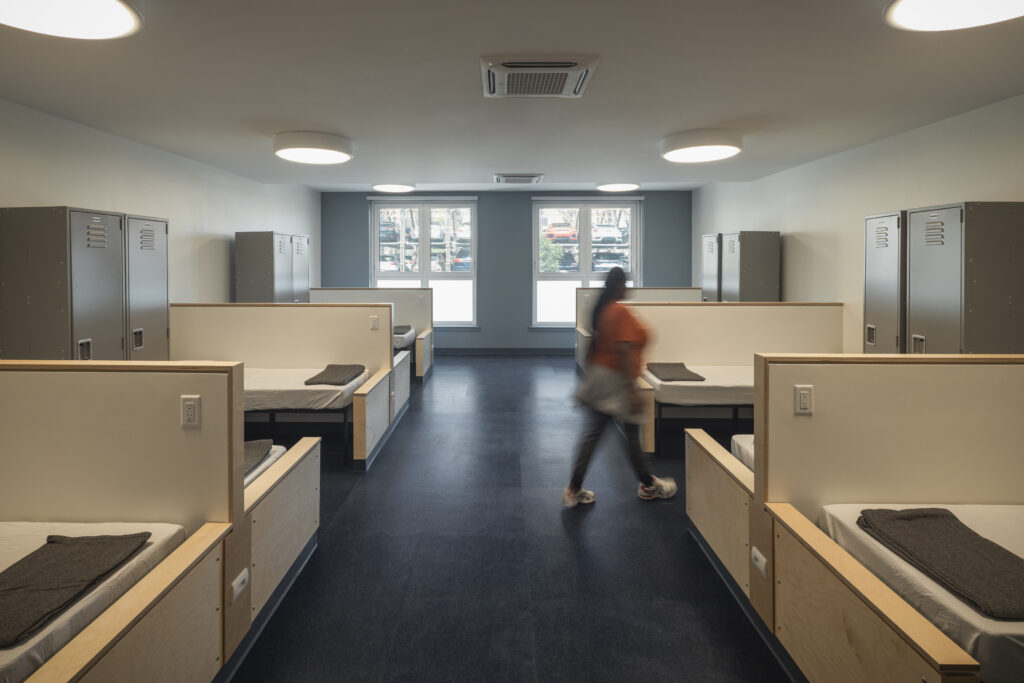
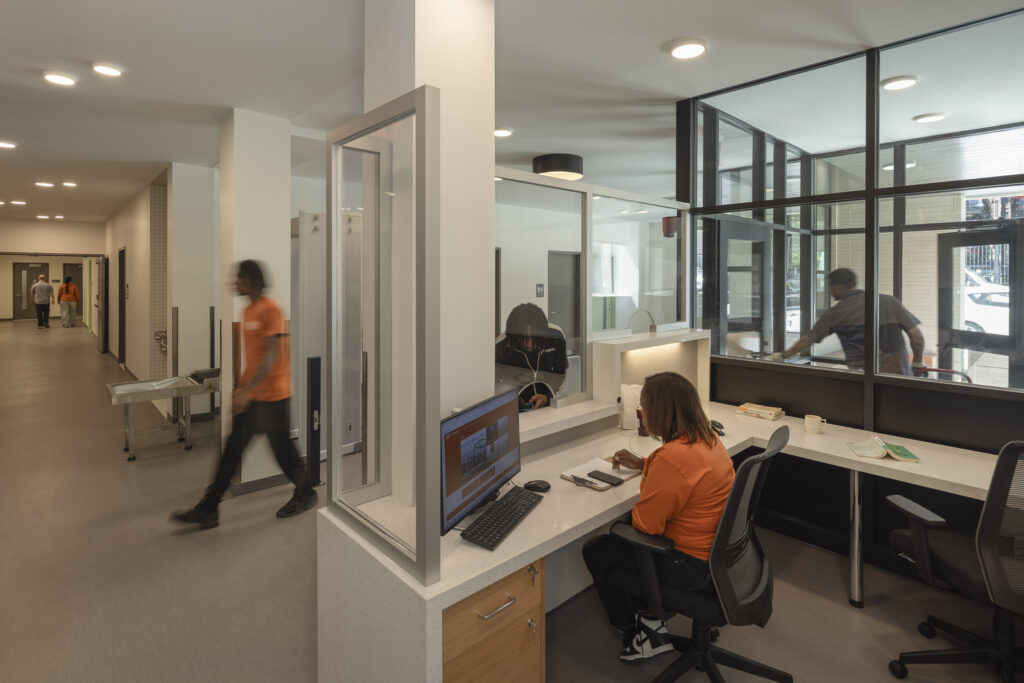
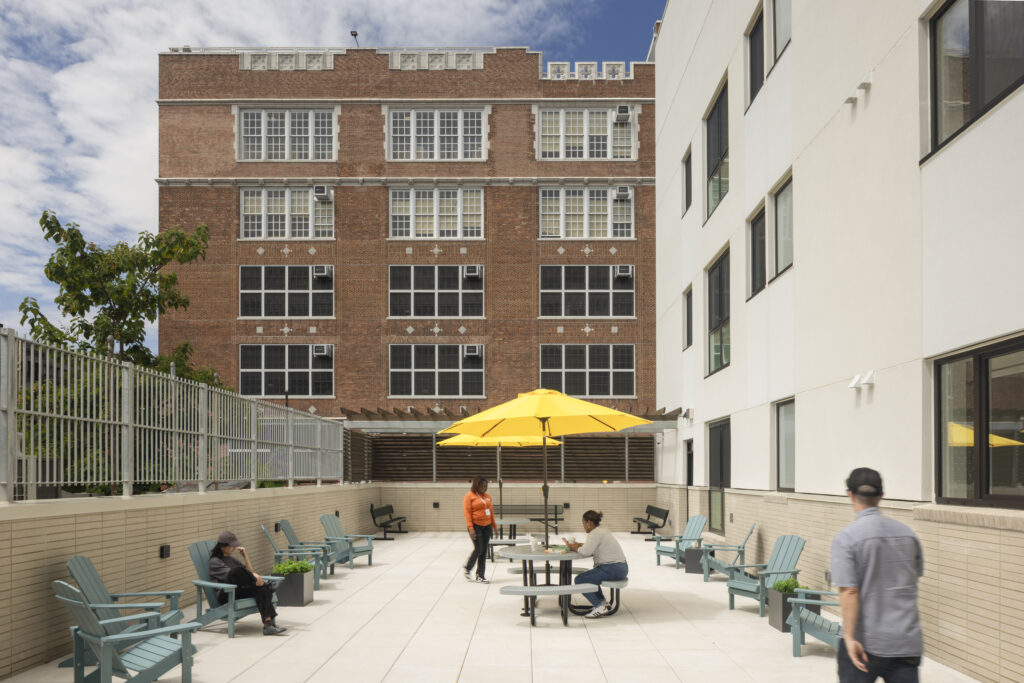
In 2025, BRC opened the Inwood Women’s Residence, a 116-bed transitional housing program serving women experiencing homelessness. Designed as a place for safety, healing, and new beginnings, the residence provides women with stable shelter, supportive services, and the opportunity to rebuild their lives as they move toward permanent housing and greater independence. Alongside the residence, BRC in partnership with the Dyckman Farmhouse Museum and community partners continue to advance plans for the Inwood Sacred Site, currently anticipated to open in 2028. Together, the residence and memorial reflect an ongoing commitment to remembrance, truth-telling, and community partnership — ensuring the stories connected to this land are acknowledged, preserved, and honored for generations to come.
Dyckman Farmhouse Museum Alliance
The Dyckman Farmhouse Museum Alliance (DFMA) is a long-term partner in the Inwood Sacred Site project and will serve as the future operator of the memorial and educational space. DFMA will help steward the Sacred Site through public programming, community engagement, educational initiatives, and opportunities for reflection and remembrance.
King Jorde Culturals
Historic preservationist Peggy King Jorde has worked closely with BRC on the Inwood Sacred Site project since its early stages in 2020. She’s played a key role in guiding the project’s community engagement, memorial planning, design, and broader vision for honoring the histories connected to the site.
American Museum of Natural History
At least seven sets of human remains connected to the burial ground are currently held by the American Museum of Natural History. As part of the development of the Inwood Sacred Site memorial, the remains are anticipated to be repatriated and respectfully reinterred at the site in connection with the memorial’s opening.
Lenape Center
Lenape Center has partnered on the Inwood Sacred Site project to help ensure the space reflects and honors its significance as part of Lenapehoking (the Lenape homeland) and its special history hosting Lenape ceremonies. The organization has contributed invaluable perspectives on Indigenous history, remembrance, welcome, and the relationship between people and the natural world, helping shape the memorial’s vision and design.
The Advisory Group for the Inwood Sacred Site (AGISS) was formed to help guide the vision, development, and community engagement process surrounding the Inwood Sacred Site and memorial project. AGISS brought together descendant community representatives, historians, spiritual leaders, cultural advocates, local residents, and organizational partners to help ensure the project reflected the significance of the site and the voices of the communities most connected to it.
Members
Former Members